
Unlocking pathways to recovery Essential resources for overcoming gambling addiction
Understanding Gambling Addiction
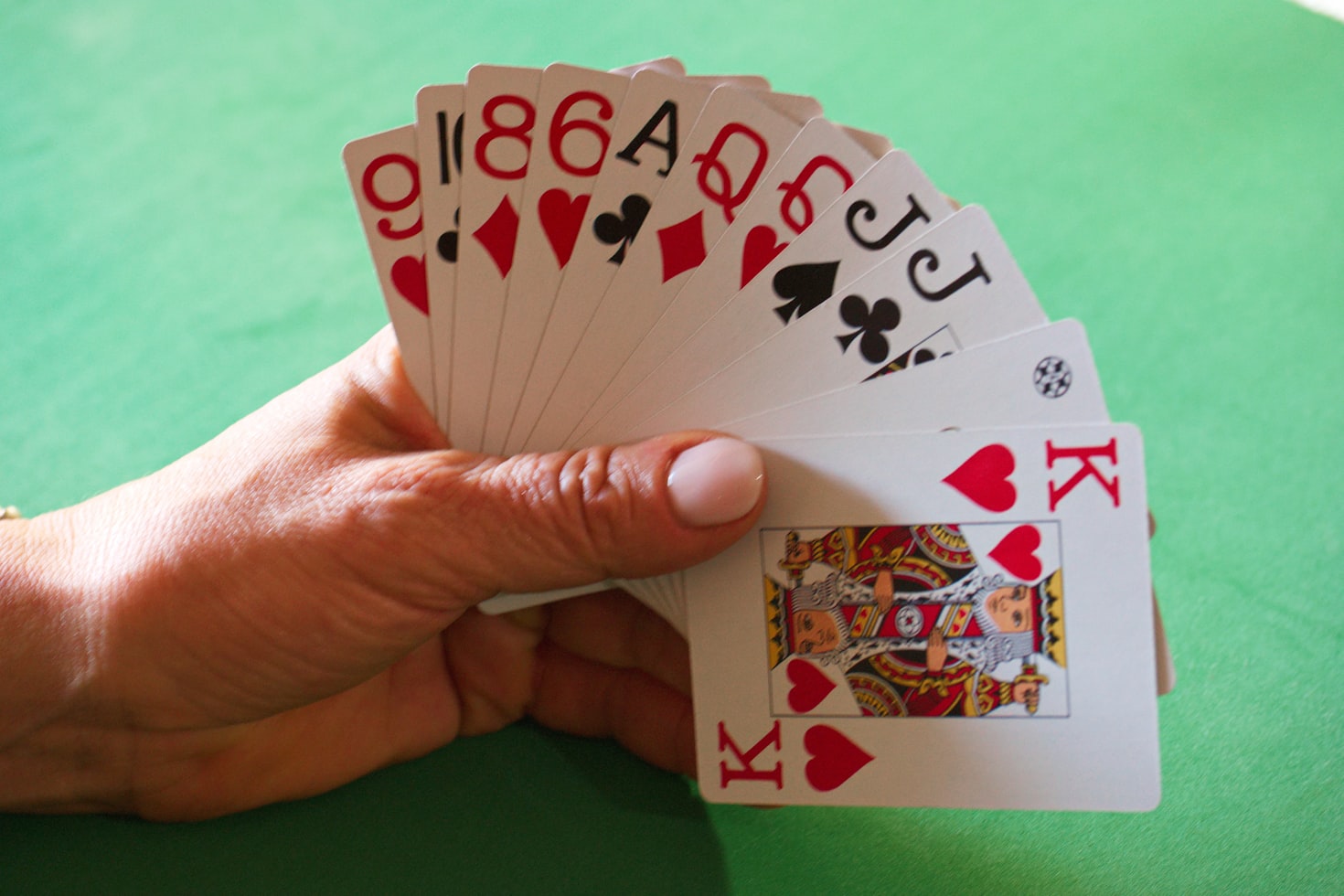
Gambling addiction, also known as compulsive gambling, is a serious psychological issue that can affect individuals from all walks of life. It often starts as a recreational activity but can quickly escalate into a harmful behavior that disrupts personal relationships, finances, and mental health. The thrill of winning can create a cycle of chasing losses, leading to deeper addiction. Those who are familiar with the world of online poker may find this particularly relatable as it shares many of the same psychological triggers.
The psychological aspects of gambling addiction include a range of emotions and cognitive distortions. Many individuals may believe they can control their gambling or that they are due for a win. This skewed perception often leads to a self-reinforcing cycle, making it difficult to break free without external help.
Signs and Symptoms of Gambling Addiction
Recognizing the signs of gambling addiction is the first step towards recovery. Common indicators include an overwhelming preoccupation with gambling, an inability to control one’s betting habits, and continued gambling despite negative consequences. Individuals may also experience withdrawal symptoms, such as irritability and restlessness, when not gambling.
Financial difficulties often accompany gambling addiction. Many individuals find themselves in debt, borrowing money, or resorting to illegal means to fund their gambling. This can lead to feelings of shame and isolation, further complicating the recovery process.
Seeking Professional Help
Professional help is crucial for anyone struggling with gambling addiction. Therapists and counselors specializing in addiction can provide tailored support and coping strategies. Cognitive Behavioral Therapy (CBT) is one effective approach that helps individuals identify and change harmful thought patterns associated with gambling.
Support groups, such as Gamblers Anonymous, also play a vital role in recovery. These groups offer a safe space for individuals to share their experiences, gain insight from others facing similar challenges, and develop a sense of community, which is essential for overcoming addiction.
Building a Support Network
Having a robust support network is fundamental in the journey to recovery. Friends and family can offer encouragement and accountability, helping individuals stay committed to their recovery goals. Open communication about the challenges of gambling can strengthen relationships and provide the emotional support needed during tough times.
In addition to personal support, online communities can also be beneficial. Many individuals find comfort in connecting with others who understand their struggles. These platforms provide additional resources, advice, and a sense of belonging, further enhancing the recovery experience.

Additional Resources for Recovery
Various organizations and websites offer essential resources for those struggling with gambling addiction. These platforms provide information on treatment options, support groups, and self-help strategies. Many resources are tailored to meet the unique needs of individuals seeking recovery.
Online forums, educational materials, and professional directories can guide individuals toward the help they need. By utilizing these resources, individuals can equip themselves with the tools necessary for overcoming gambling addiction and fostering a healthier, more fulfilling life.